smithsonian-mobile
NMAAHC_horiz_Smithsonian_white
HCAC_RBG_Reverse-Logo

Impact

Empowering Future Generations

Through the HCAC initiative, The National Museum of African American History and Culture (NMAAHC) demonstrates its unwavering commitment to impact, empower, and sustain the preservation of African American art, history, and culture on Historically Black College and University campuses for generations to come.

Impact2
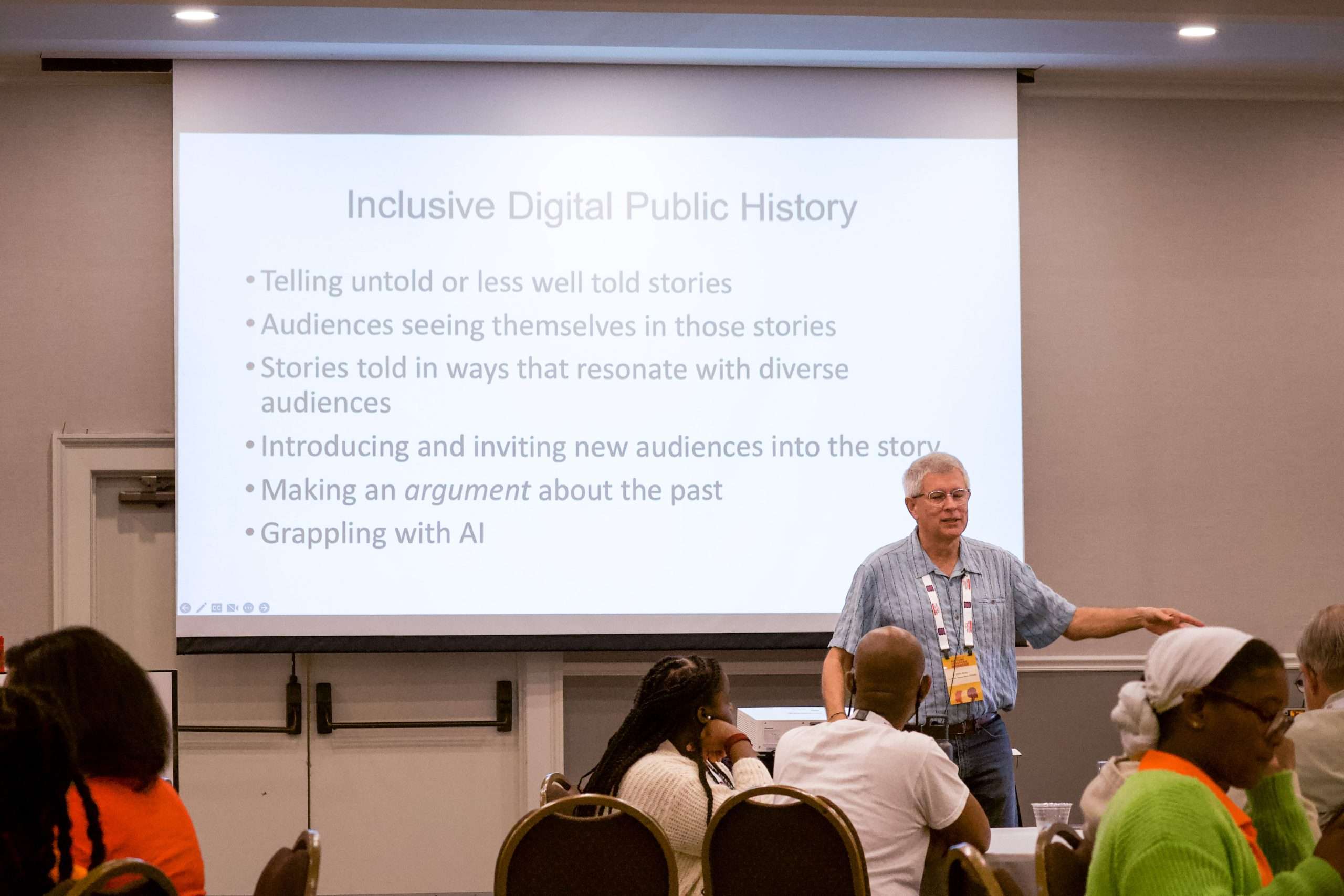
Digital Humanities workshop, HCAC Student Leadership Training 2023

Despite historical obstacles, these collections reflect generations of Black intellectual and creative excellence. Through a shared mission and vision, HBCUs and their repositories demonstrate an unwavering belief in the value of education and the power of telling one’s own story. NMAAHC’s efforts to augment the digitization and visibility of collections from its five HBCU partners are a testament to the enduring significance of these institutions in the fabric of American history. 

NMAAHC’s efforts to augment the digitization and visibility of collections from its five HBCU partners are a testament to the enduring significance of these institutions in the fabric of American history. These HBCU collections are essential to understanding and appreciating the African American experience.

Through this process, we are creating a commonality in museum practice. Even for students, they are learning, they are getting this training so when they apply to another institution, they are bringing learned experience with them.
HCAC MUSEUM DIRECTOR
Career Planning workshop, HCAC Student Leadership Training 2023
The multi-institutional digital archive will provide an extraordinary visual experience to empower scholars, researchers, and the wider public with an unparalleled opportunity to explore the nuances and intricacies of late 19th, 20th, and 21st century African American culture. The impact of this ambitious and comprehensive initiative will create long-lasting benefits that include:
  • Worldwide access to tens of thousands of art, artifacts, and documents that promote the study or appreciation of African American life, art, history, and culture.
  • A digital platform for continuously adding, sharing, and sourcing new material.
  • Individual collections that are better understood and cared for, meeting a requirement for museum accreditation.
  • Museums and archives with augmented ability to teach across curricula and disciplines in service to various faculty and students in their universities.
  • Increased public visibility of and appreciation for universities in the consortium.
HCAC will fuel potential for expansion.
HCAC MUSEUM DIRECTOR
NMAAHC_horiz_Smithsonian_white
HCAC_RBG_Reverse-Logo

Looking for something specific?

Need help using the site?

Click below for tips on how to make the most of this digital public history archive.

SENSITIVE CONTENT WARNING!

The following web page may include graphic imagery and/or content.

Objects depicting racist and/or stereotypical imagery or language may be offensive and disturbing, but the NMAAHC aims to include them in the Collection to present and preserve the historical context in which they were created and used. Objects of this type provide an important historical record from which to study and evaluate racism.

This website contains links to or from third-party sites that are not under the control of the Smithsonian. Click here for the Smithsonian Terms of Use regarding Third Party Websites. The appearance of external links on the Smithsonian’s websites or social media accounts does not constitute an official endorsement on behalf of the Smithsonian.

Do you want to proceed?

SENSITIVE CONTENT WARNING!

The following web page may include graphic imagery and/or content.

Objects depicting racist and/or stereotypical imagery or language may be offensive and disturbing, but the NMAAHC aims to include them in the Collection to present and preserve the historical context in which they were created and used. Objects of this type provide an important historical record from which to study and evaluate racism.

This website contains links to or from third-party sites that are not under the control of the Smithsonian. Click here for the Smithsonian Terms of Use regarding Third Party Websites. The appearance of external links on the Smithsonian’s websites or social media accounts does not constitute an official endorsement on behalf of the Smithsonian.

Do you want to proceed?