

smithsonian-mobile
NMAAHC_horiz_Smithsonian_white
HCAC_RBG_Reverse-Logo

Practice

Cultivating Community

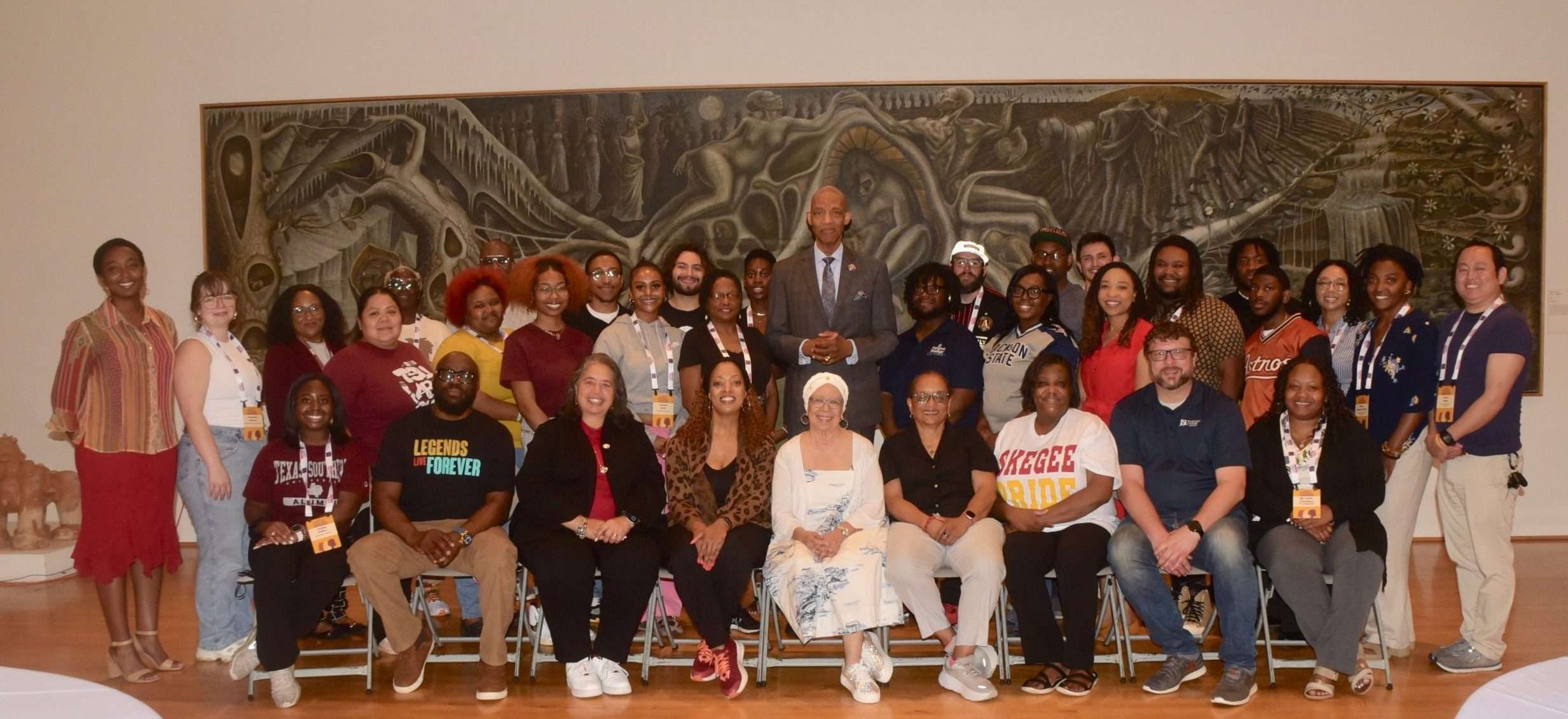
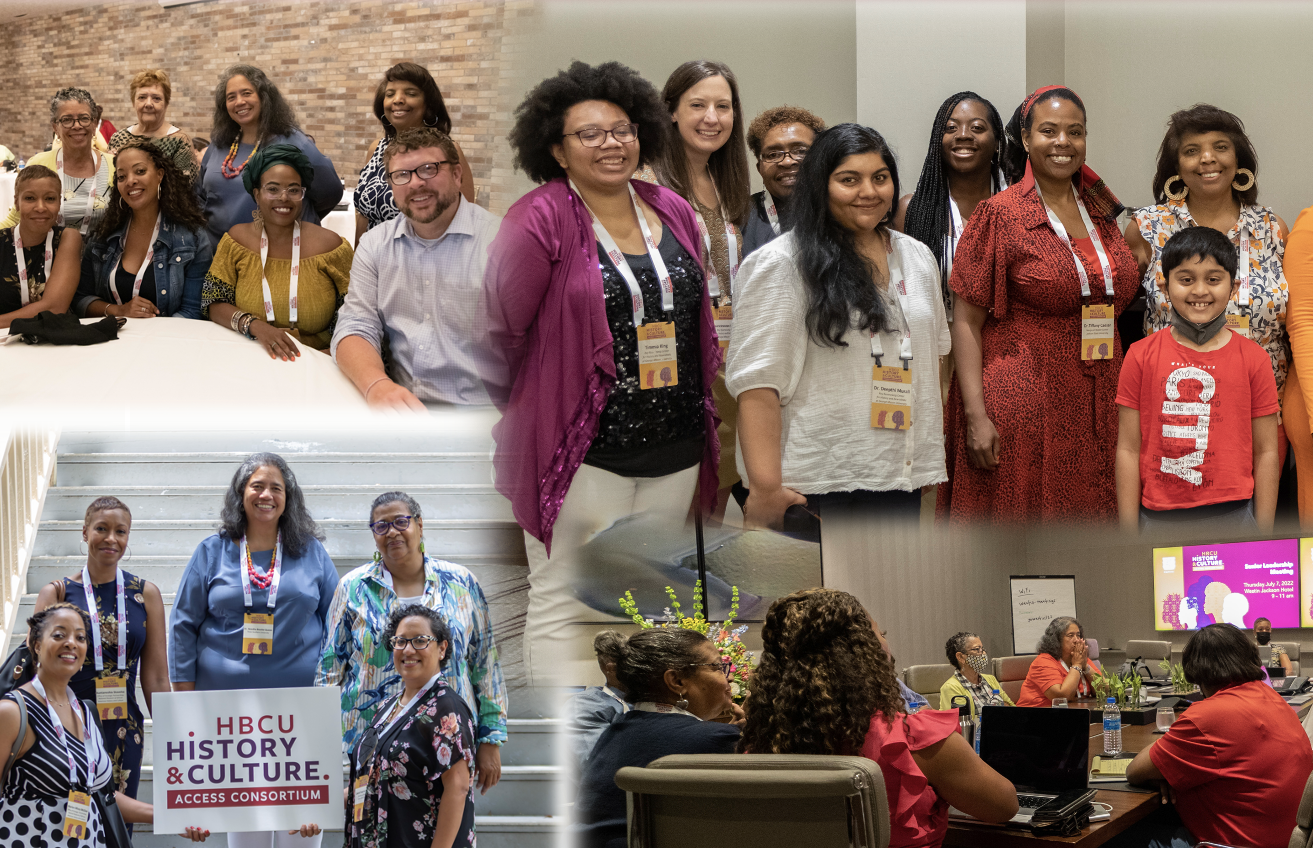
Since the launch of this collaborative initiative in 2021, NMAAHC has worked with Museum and Archive Directors of the Clark Atlanta, Florida A & M, Jackson State, Texas Southern and Tuskegee Universities to build a supportive community of practice.
Practice3
Reception at TSU Museum Annual HCAC convening 2024, Texas State University
STEM training, Annual HCAC convening 2023
Museum executive workshop, Annual HCAC convening 2022

Since the launch of this collaborative initiative in 2021, NMAAHC has worked with Museum and Archive Directors of the Clark Atlanta, Florida A & M, Jackson State, Texas Southern and Tuskegee Universities to build a supportive community of practice.

This section provides a wealth of resources to support HBCU stakeholders in strengthening collections stewardship, strategic planning, digital preservation, and talent pipeline development. It also features frameworks, training materials, and best practices emerging from our collaborative process and enable others to contribute to this collective impact endeavor.

Every time I come to this community; I feel that source of support. We are in that community, lifting each other up, learning from each other, and creating that network that makes community what it really is.
HCAC MUSEUM DIRECTOR

Through a shared data model and collaborative metadata practices, HCAC brings selected materials from five HBCU partners together in Omeka-S to support context-rich public access and interpretation, and cross-institutional storytelling—while each institution retains ownership and intellectual control of its collections. The five collections, aggregated into the shared open access Omeka-S platform, allows them to be in dialogue with one another. 

HCAC’s data model creates effective controlled vocabularies and helps fill an intellectual gap in the digital public humanities in the US. The HCAC digital archive makes it possible to share data across partner institutions and with other open access projects, ultimately augmenting and amplifying historically marginalized collections.

NMAAHC_horiz_Smithsonian_white
HCAC_RBG_Reverse-Logo

Looking for something specific?

Need help using the site?

Click below for tips on how to make the most of this digital public history archive.

SENSITIVE CONTENT WARNING!

The following web page may include graphic imagery and/or content.

Objects depicting racist and/or stereotypical imagery or language may be offensive and disturbing, but the NMAAHC aims to include them in the Collection to present and preserve the historical context in which they were created and used. Objects of this type provide an important historical record from which to study and evaluate racism.

This website contains links to or from third-party sites that are not under the control of the Smithsonian. Click here for the Smithsonian Terms of Use regarding Third Party Websites. The appearance of external links on the Smithsonian’s websites or social media accounts does not constitute an official endorsement on behalf of the Smithsonian.

Do you want to proceed?

SENSITIVE CONTENT WARNING!

The following web page may include graphic imagery and/or content.

Objects depicting racist and/or stereotypical imagery or language may be offensive and disturbing, but the NMAAHC aims to include them in the Collection to present and preserve the historical context in which they were created and used. Objects of this type provide an important historical record from which to study and evaluate racism.

This website contains links to or from third-party sites that are not under the control of the Smithsonian. Click here for the Smithsonian Terms of Use regarding Third Party Websites. The appearance of external links on the Smithsonian’s websites or social media accounts does not constitute an official endorsement on behalf of the Smithsonian.

Do you want to proceed?